
Protein Explained: How Much Do You Really Need?
How much protein do you actually need? And do you really have to rely on protein shakes to meet your daily intake? Protein is one of the most discussed nutrients today. Whether it’s about building muscle, eating a balanced diet, or managing weight, the question of getting enough protein comes up again and again. It often creates the impression that meeting your daily needs is only possible with shakes or supplements.
In reality, however, things are much simpler.
For most people, getting enough protein through a balanced and varied diet is entirely achievable.
What is protein?
Protein is one of the three main macronutrients, alongside carbohydrates and fats.
In the human body, it plays a wide range of essential roles, including:
- building and maintaining muscle tissue
- producing enzymes, hormones, and antibodies
- supporting cell structure and tissue repair
- transporting substances in the bloodstream
- supporting the immune system
Protein is not just a “fitness nutrient” – it is essential for almost all biological processes. Without adequate intake, the body cannot maintain these functions in the long term.
Amino acids: the building blocks of protein
Proteins are made up of smaller units called amino acids. There are more than 20 different amino acids, some of which are considered essential.
Essential amino acids cannot be produced by the body and therefore must be obtained through food.
The quality of a protein source depends on several factors, including:
- which essential amino acids it contains
- the proportions in which they are present
- how well they can be absorbed and used by the body
Animal-based protein sources generally provide all essential amino acids in optimal proportions. Plant-based sources also contain all essential amino acids, but sometimes in different ratios.
Animal and plant-based protein sources
These differences are also reflected in the foods we eat every day. While animal-based proteins typically provide a complete amino acid profile, plant-based sources may vary in their composition.
In practice, however, this is rarely an issue. A varied diet is usually enough to ensure an adequate intake of all essential amino acids. Both animal and plant-based foods can contribute to meeting your protein needs.
Common animal-based protein sources include:
- eggs
- dairy products such as yogurt, skyr, quark, or cheese
- fish
- meat
They provide a complete amino acid profile and are easily utilized by the body.
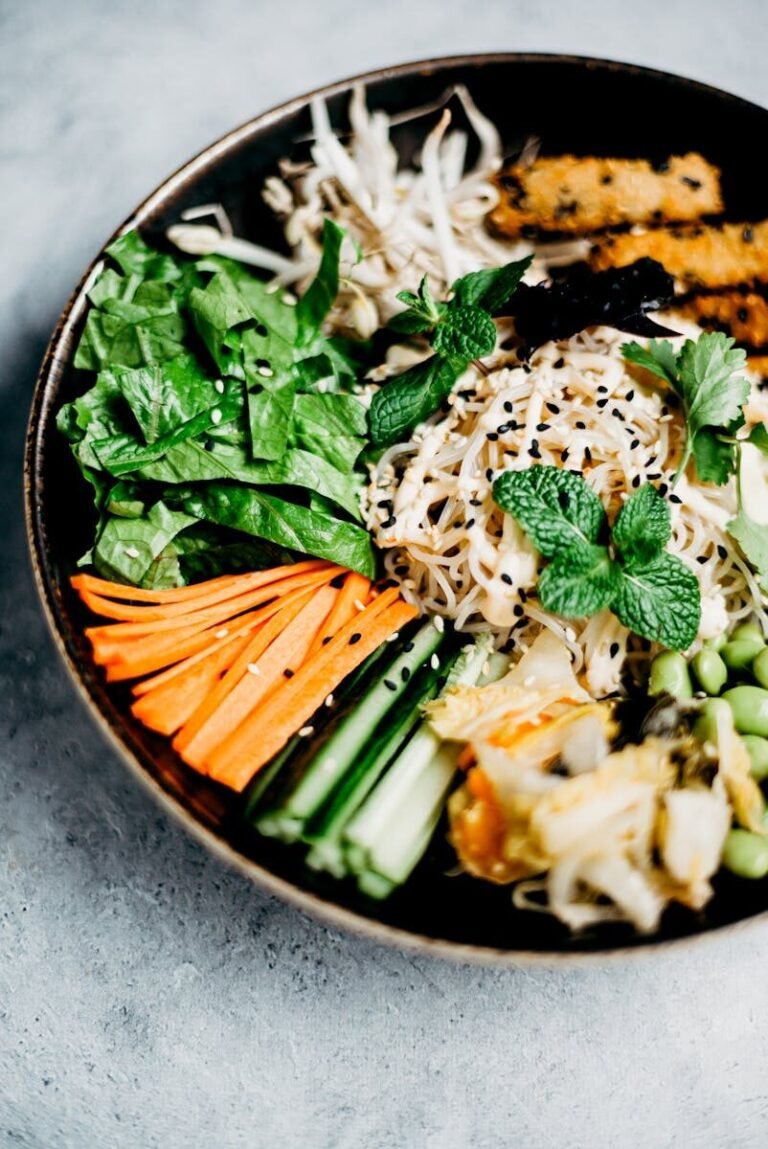
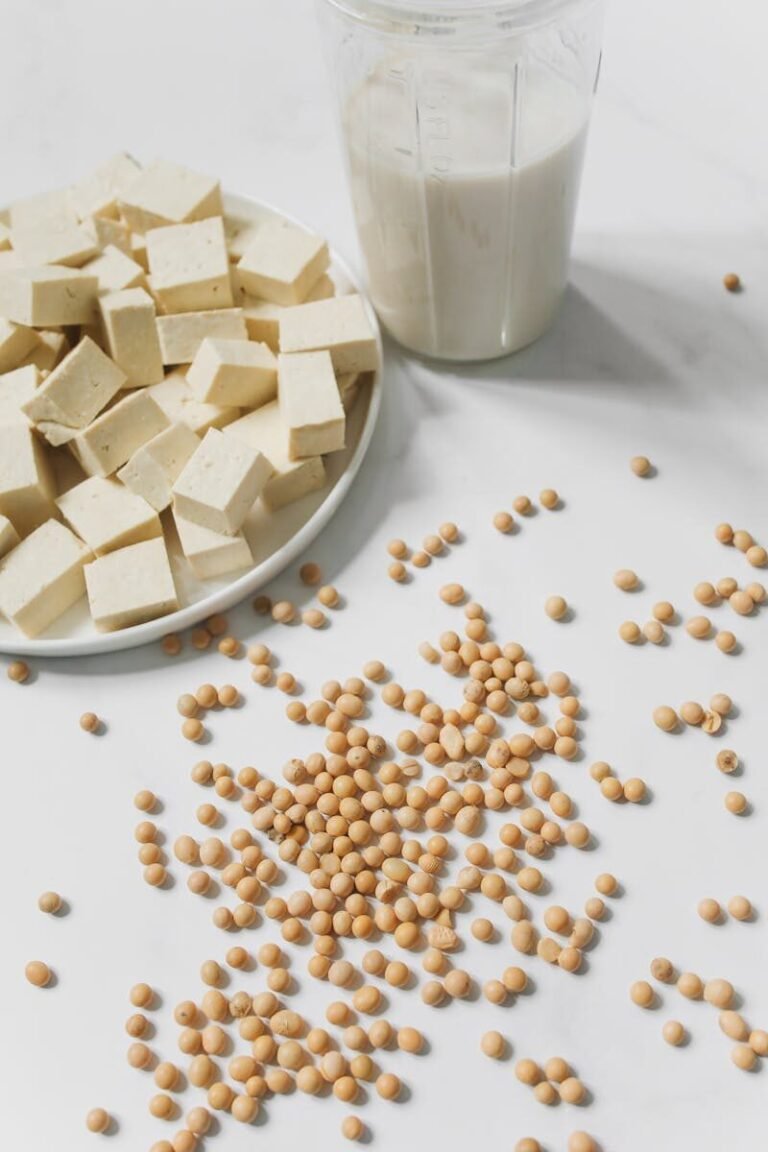
Plant-based foods can also make a valuable contribution to your protein intake. These include:
- legumes such as lentils, beans, and chickpeas
- tofu and tempeh
- nuts and seeds
- whole grains
- oats
- pseudograins such as quinoa, amaranth, and buckwheat
- seitan
In addition to protein, they also provide fiber, phytochemicals, and important micronutrients.
With sufficient variety, it is entirely possible to meet your protein needs through plant-based foods.
How much protein do you need per day?
Protein requirements vary from person to person and depend on several factors, including body weight, physical activity, muscle mass, life stage, and individual goals such as maintaining or building muscle.
General guidelines are often expressed per kilogram of body weight:
General adult population:
around 0.8 g of protein per kg of body weight per day
Physically active individuals:
around 1.0–1.2 g per kg per day
Strength training, muscle building, or intense exercise:
around 1.4–1.8 g per kg per day
Older adults:
often recommended ≥ 1.0–1.2 g per kg per day to help prevent muscle loss
Minimum vs. optimal intake
The commonly cited recommendation of 0.8 g of protein per kilogram of body weight represents the minimum intake needed to prevent deficiency.
For many people, however, a slightly higher intake can be beneficial.
This is especially true during weight loss or when aiming for greater satiety. Protein tends to be more filling than other macronutrients, and the body requires more energy to process it.
Potential benefits of a higher protein intake include:
- improved and longer-lasting satiety
- more stable blood sugar levels
- preservation of muscle mass during weight loss
In these cases, a daily intake of around 1.2–1.6 g per kilogram of body weight is often considered reasonable, depending on individual factors such as activity level and goals.
What matters most is not hitting an exact number or distributing protein perfectly across meals, but the total intake over the course of the day. The body maintains amino acid pools that can be used flexibly.
Including protein-rich foods regularly can be helpful in everyday life, but it is not a strict requirement for adequate intake.
Ultimately, consistency matters more than perfection. Your protein intake should fit your lifestyle and be sustainable in the long term.
Protein and muscle growth
Building muscle requires two key components: a sufficient training stimulus and enough building material in the form of protein.
Without training, a high protein intake alone will not lead to muscle growth. On the other hand, intense training without adequate protein can limit recovery and adaptation.
Other important factors include:
- sufficient overall energy intake
- sleep and recovery
- training quality
- long-term consistency
In practice, muscle gain is less often limited by protein intake and more often by insufficient energy intake or lack of recovery.
Do you need protein supplements?
Protein supplements can be useful in certain situations, but they are not necessary for most people.
They may be helpful in cases such as:
- very high training volume
- limited access to regular meals
- increased needs combined with low appetite
- specific dietary patterns
However, supplements do not replace a balanced diet. They provide isolated protein, but lack fiber, phytochemicals, and micronutrients. A whole-food-based diet should always be the foundation.
Understanding instead of confusion
Protein is essential, but it does not need to be complicated or overemphasized.
If you understand your needs, focus on variety, and include protein-rich foods regularly, you will usually meet your requirements without difficulty.
What matters most is a realistic intake, a balanced selection of foods, and an approach that fits your everyday life.
A sustainable diet is not built on perfection or supplements, but on understanding and balance.