Combining Proteins: How to Support Your Body Effectively
Protein plays a central role in your nutrition. At the same time, it is often unclear what really matters.
Especially if you start to focus more on plant-based eating, the question quickly comes up whether you need to combine proteins intentionally.
Besides the amount, the quality also matters. Not every protein source provides all essential amino acids in the same composition. This is why, particularly with plant-based foods, people often wonder how to combine proteins in a way that supports the body effectively.
When It Makes Sense to Combine Proteins
As you may already know, proteins are made up of amino acids. Some of them are essential, which means your body cannot produce them on its own and needs to get them from food.
For your body to build its own proteins, all essential amino acids need to be available in sufficient amounts. If one of them is missing, this process can be limited.
Animal-based protein sources usually contain all essential amino acids in a composition that closely matches the body’s needs.
Plant-based protein sources, on the other hand, often do not have a complete amino acid profile. This means that certain amino acids are present in smaller amounts.
This is where combining proteins becomes relevant. Different plant-based foods complement each other in their amino acid profiles. What is limited in one food can be balanced out by another.
In this way, it is also possible to achieve a balanced intake using plant-based protein sources.
Protein Quality
A term that is often used in this context is biological value. It describes how efficiently a protein consumed through food can be converted into the body’s own protein.
Eggs are often used as a reference point and are given a biological value of 100.
Other foods can be higher or lower depending on their composition.
By combining different protein sources, the biological value can be increased, as their amino acid profiles complement each other.
Typical Combinations in Everyday Life
Some plant-based foods complement each other particularly well in their amino acid profiles. While grains are often low in lysine, legumes are rich in it. At the same time, legumes tend to contain less methionine, which is more present in grains.
Typical combinations include:
- Potatoes with eggs or dairy products, for example potatoes with cottage cheese
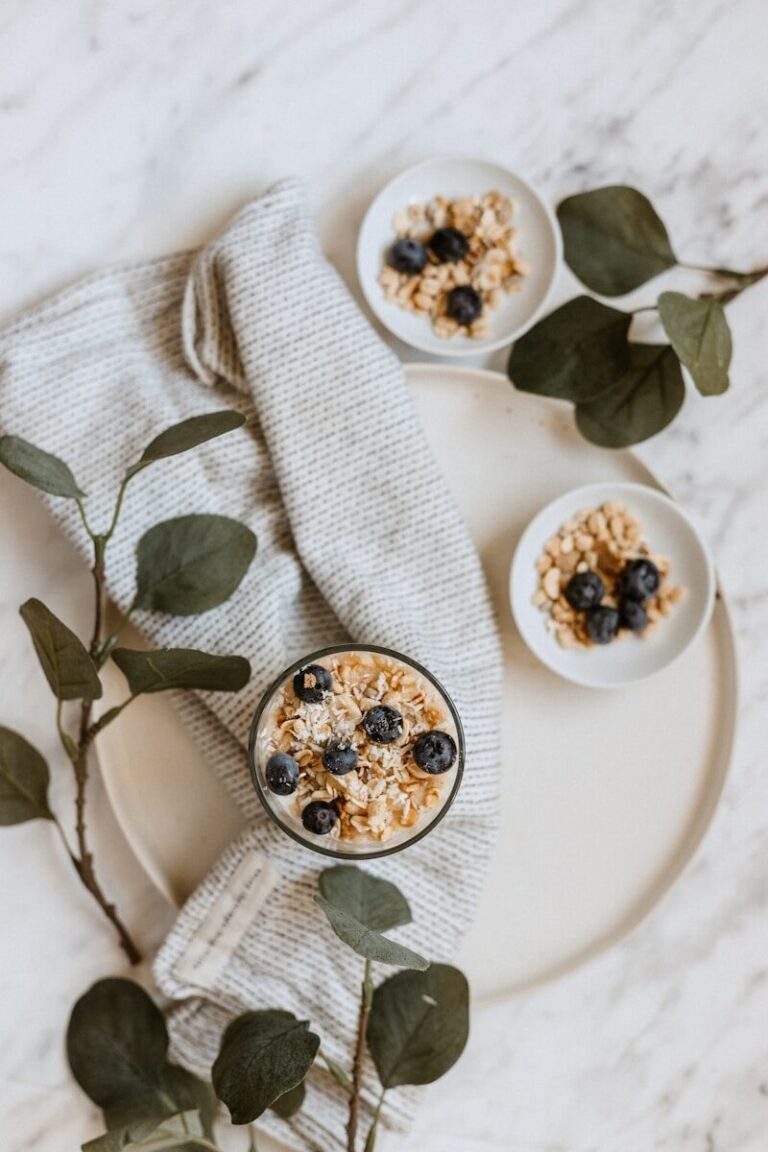
- Grains with dairy products, for example muesli with yogurt or whole grain bread with cheese
- Grains with legumes, for example lentils with rice or hummus with bread
- Grains with eggs or meat
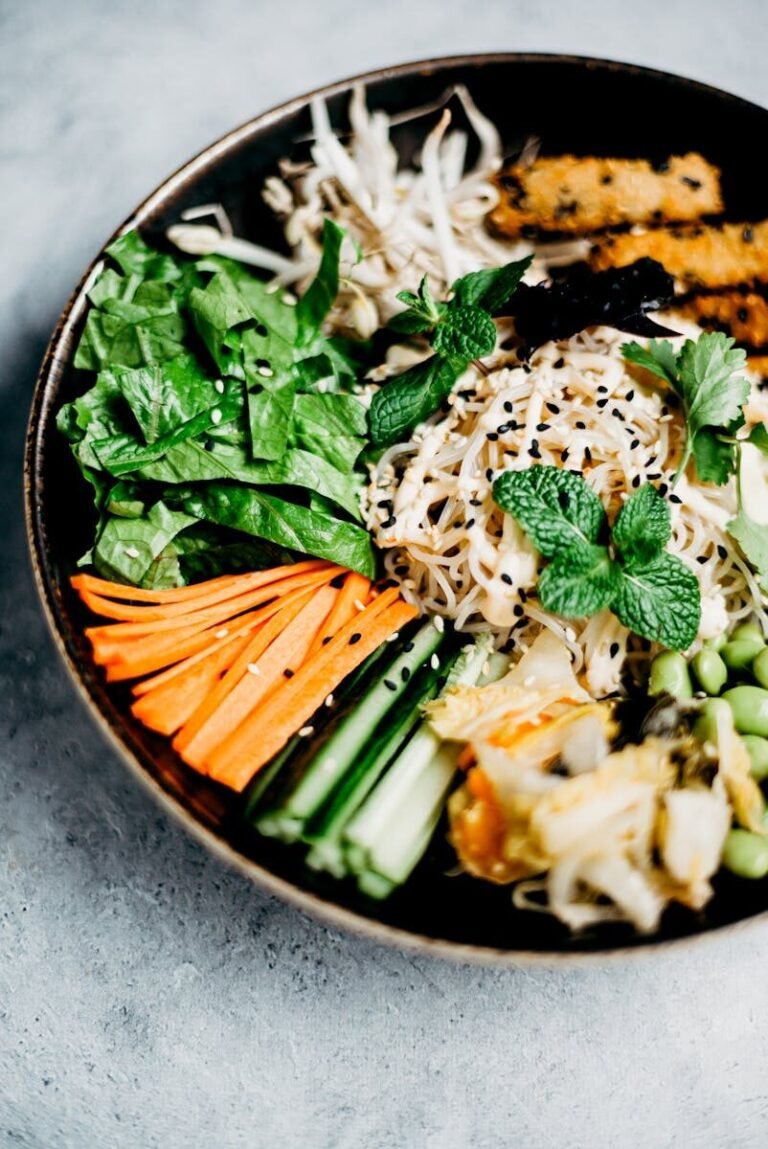
Especially with a vegan or plant-based diet, combining foods such as legumes and grains can be helpful. Nuts and seeds can further support overall protein quality.
How to Support Protein Absorption
Besides choosing and combining protein sources, the context of a meal also plays a role.
When combined with carbohydrates, the absorption and utilization of amino acids can be supported, as certain processes in the body are facilitated. A balanced meal helps ensure that nutrients are used efficiently overall.
What Really Matters in Everyday Life
Combining proteins can be useful, especially if you follow a mostly plant-based diet.
At the same time, it is not necessary to plan every meal perfectly or optimize everything in detail. In everyday life, it is often enough to include different protein sources throughout the day and aim for some variety.
Many traditional meals already include these combinations without you having to think about it.
It is therefore less about calculating everything precisely and more about developing a basic understanding and trusting that a balanced diet will naturally come together over time.