Healthy Eating in Everyday Life: 9 Simple Tips That Actually Work
Healthy eating in everyday life sounds easier than it actually is. Between work, responsibilities, and a busy schedule, there is often little time and energy to consciously focus on your nutrition.
At the same time, there are countless nutrition trends and conflicting information, from low carb to intermittent fasting to superfoods. It can quickly feel like you have to do everything perfectly.
You might recognize this yourself. On one hand, you want to eat healthy, but on the other, you don’t want to constantly put pressure on yourself. But healthy eating should not feel like a burden. It should support you in your everyday life.
To make things easier, here are nine simple and practical tips that can help you improve your eating habits step by step.
1. Choose natural and minimally processed foods
Healthy eating often starts with a simple decision: choosing foods that are as natural as possible.
You’ve probably heard this before, but it really is one of the most important things.
Fresh ingredients like fruits, vegetables, whole grains, nuts, and high-quality protein sources provide your body with important nutrients, without unnecessary additives, hidden fats, or sugars.
Try to cook for yourself as often as you can. It helps you develop a better understanding of your nutrition and gives you more control over what you eat.
2. Pay attention to a balanced distribution of nutrients
A healthy diet is based on three macronutrients: carbohydrates, proteins, and fats.
- Carbohydrates give you energy for your daily life
- Proteins support your muscles, recovery, and immune system
- Fats are important for hormones, brain function, and metabolism
As a general guideline, a distribution of around 50–60% carbohydrates, 15–20% protein, and 25–30% fats is often recommended. However, these values can vary depending on your lifestyle and goals.
In everyday life, these numbers are not always helpful. That’s why I like to use the plate method.
Half of your plate consists of vegetables, one quarter of a protein source, and one quarter of carbohydrates.
This way, you automatically create a balanced meal without having to calculate everything.
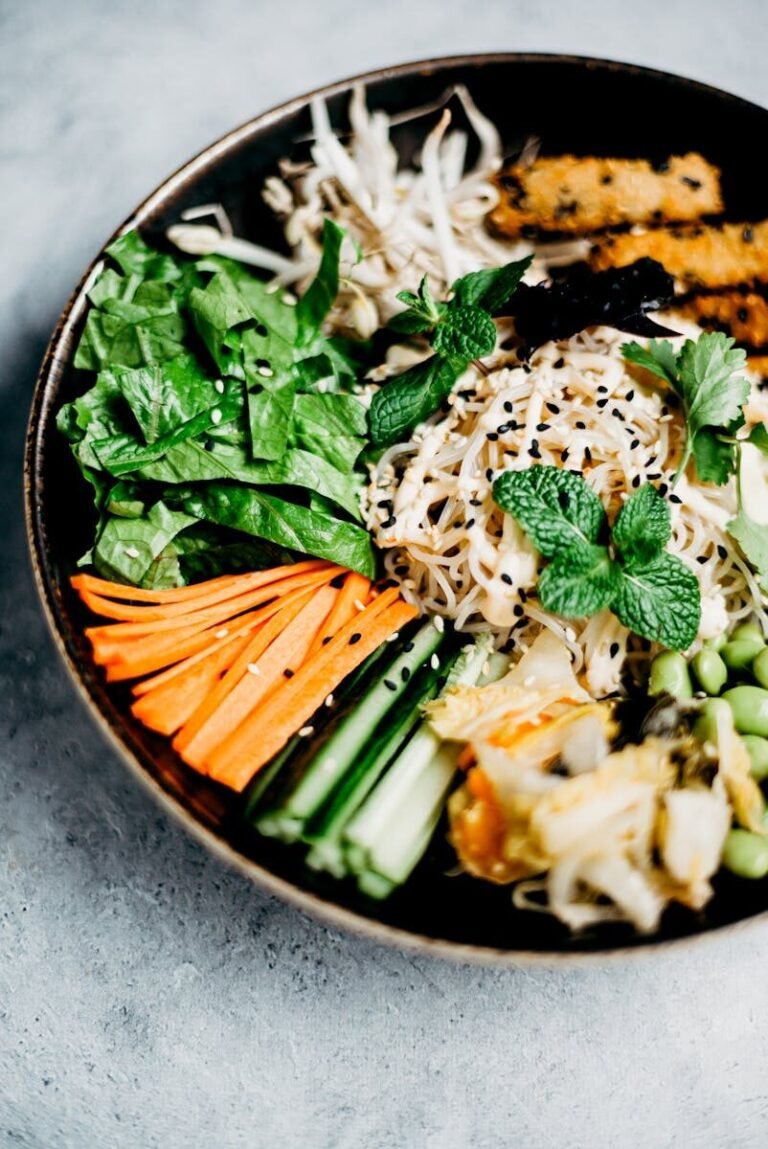
3. Eat a varied and colorful diet
A varied diet helps provide your body with different vitamins and minerals.
A simple approach is to pay attention to the colors on your plate. Different colors often represent different nutrients and naturally bring more variety into your meals.
In everyday life, it’s easy to cook the same things over and over again. I know that very well. That’s why I try to consciously choose vegetables when shopping that I haven’t eaten as often in the past days or weeks.
I also notice that I eat a lot with my eyes. That’s why I enjoy meals that include many different colors.
I often combine different vegetables, for example carrots with broccoli or sugar snap peas, but also with fennel. Tomatoes go well with green peppers, zucchini, or eggplant.
This way, you automatically create more variety without needing to plan everything in detail.
Even small changes like these can make a meal feel completely different.
4. Why drinking enough water matters
Water plays a central role in your body. It supports digestion, concentration, and many metabolic processes.
A general guideline is around 1.5 to 2 liters per day, more if you are active or during hot weather.
If plain water feels boring, it can help to add some variety. For example with lemon slices, mint, or unsweetened tea.
I personally like to drink tea. I often mix different types or prepare a whole pot of fruit tea. In summer, I simply let it cool down.
When I keep a teapot on my desk, I automatically drink more throughout the day without thinking about it.
5. Listen to your hunger signals
Not every feeling of hunger is physical. Often we eat out of habit, stress, or boredom.
Try to notice the difference between real hunger and emotional eating. Physical hunger often shows up as a growling stomach, low energy, or difficulty concentrating.
It is just as important to stop eating when you feel comfortably full.
Tip: Eat slowly and without distractions. This helps you better recognize when you are satisfied.
6. Reduce simple sugars in everyday life
A high intake of sugar can lead to energy crashes, cravings, and, in the long term, health problems.
But it is not about completely avoiding sugar. It is about making more conscious choices. Most people regularly eat processed foods, and that is completely okay.
In those situations, it can help to use simple tools like the Nutri-Score. It gives you a quick idea of which option within a category is the better choice.
For example, I sometimes eat a protein chocolate mousse. It is still processed, but for me it feels like a better option than classic sweets.
In everyday life, it is often not about restriction, but about choosing a slightly more balanced option.
7. Include enough fiber in your diet
Fiber is important for digestion and helps you feel full for longer. However, most people do not consume enough of it.
Good sources of fiber include:
- Whole grains
- Flaxseeds
- Legumes
- Nuts and seeds
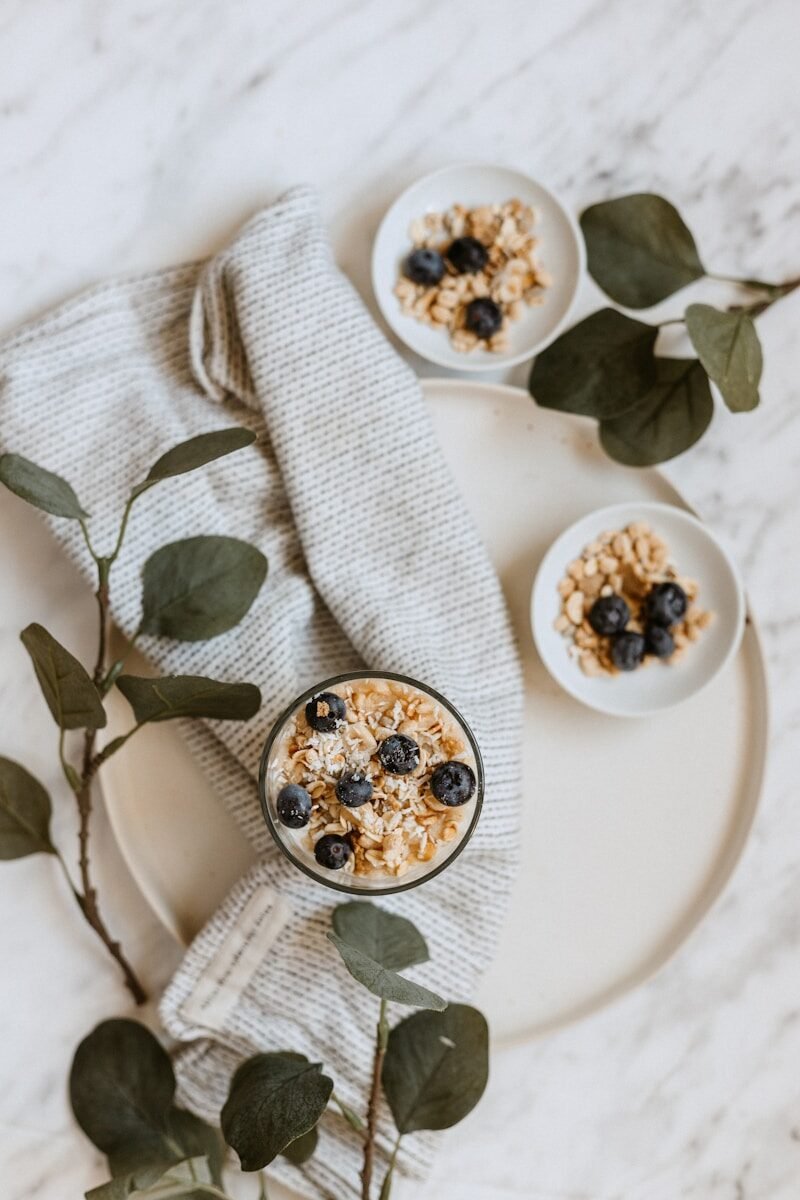
I often add some wheat bran to my breakfast. You can also use chia seeds or psyllium husk, depending on what works best for you.
It is important to increase your intake gradually and drink enough water so your body can adjust.
8. Eat mindfully and take time for your meals
Mindful eating is often underestimated.
When you eat on the side, it becomes harder to notice hunger and fullness. You tend to eat faster and pay less attention to how you feel.
Only when you eat slowly and with awareness can you truly recognize when you are satisfied.
If you focus on the taste, texture, and smell of your food, eating becomes more enjoyable and often more satisfying.
9. Consistency matters more than perfection
Healthy eating does not mean doing everything perfectly. What matters more is what you do consistently.
You are allowed to enjoy food without feeling guilty.
The 80/20 rule can be helpful. Around 80% of your diet consists of nutrient-rich foods, and 20% can be more flexible.
This creates a balanced approach that you can maintain long-term without giving up enjoyment.
Small changes that you stick with regularly have a much bigger impact than big plans that only last for a short time.