
6 Common Diet Mistakes and How to Avoid Them
Many people start a diet with high hopes, but often the results either do not come at all or do not last very long. Why is that? In many cases, it is not due to a lack of discipline, but rather to common mistakes and unrealistic expectations that make sustainable weight loss more difficult.
Most people know, in general, what would be healthy. Still, in a stressful everyday life, it can be difficult to stick to these things long term. Successful weight loss has much less to do with perfection than many people believe, and much more to do with habits, stress, emotions, and your relationship with food.
In this article, you will learn which common mistakes many people make when dieting and how you can avoid them.
1. Cutting Calories Too Drastically
One of the most common dieting mistakes is drastically reducing your calorie intake. The idea behind this is understandable: the fewer calories you eat, the faster you lose weight. But our bodies are smart and adapt.
When you give your body too little energy, your metabolism slows down. Your body goes into “energy-saving mode” and burns less energy, a protective mechanism from evolution.
What happens when you cut calories too drastically?
Your basal metabolic rate drops, meaning you burn fewer calories in the long term.
Cravings can occur because your body is asking for energy.
Muscle mass may be lost, which can reduce your metabolism even further.
The yo-yo effect often appears as soon as you start eating normally again.
How to avoid this mistake:
Instead of following a drastic diet, aim for a moderate calorie deficit of around 300–500 calories per day. This is enough to lose weight steadily without putting unnecessary stress on your body.
Make sure you continue to eat a balanced, nutrient-rich diet. Healthy weight loss should not mean feeling permanently low in energy, irritable, or hungry.
2. Underestimating Calories and Portion Sizes
Many people have a good general sense of which foods are “healthy.” However, that does not automatically mean they also have a good sense of portion sizes or calorie amounts.
From my experience with clients, I often see that certain foods or drinks are underestimated, especially small snacks throughout the day or calorie-dense foods that are perceived as “healthy.”
How to avoid this mistake:
Learn to estimate portion sizes more accurately.
Be honest with yourself about what you actually consume in everyday life.
Pay special attention to snacks, drinks, alcohol, oils, sauces, and small bites here and there.
Do not try to eat perfectly, but more consciously.
Many people benefit at the beginning from documenting their food intake for a certain period of time in order to get a better feeling for amounts and calories. This does not have to be forever, but it can help you assess foods and portion sizes more realistically.
3. Strict Food Rules Lead to Cravings
Do you know the feeling? You completely forbid yourself chocolate, pizza, or pasta, and suddenly you crave exactly those foods even more. Strict restrictions not only make diets harder to stick to, but often lead you to fall back into old patterns sooner or later.
Many people also begin to avoid certain foods completely, especially carbohydrates. Out of fear of gaining weight or doing something wrong, bread, pasta, or rice are heavily reduced or cut out entirely.
This may work in the short term. In the long term, however, it often reduces satiety, which can increase cravings.
Why are strict rules problematic?
They increase cravings for forbidden foods.
One “slip-up” often leads people to abandon the diet completely: “Now it does not matter anyway.”
Diets with strict rules are mentally exhausting and difficult to maintain long term.
How to do it better:
Instead of completely banning certain foods, include them consciously and in moderation in your diet. Allow yourself an occasional portion of your favorite foods without immediately feeling guilty.
A healthy diet does not mean restriction. It means balance. The more relaxed your long-term relationship with food becomes, the easier it usually is to stay consistent.
4. Too Little Protein and Fiber
Many diets focus only on reducing calories without paying attention to the composition of nutrients. One common mistake is eating too little protein and fiber.
This can make you feel hungry again more quickly and makes it harder to stick to your eating habits in the long run.
Why are protein and fiber important?
Protein helps maintain muscle mass and keeps you feeling full for longer.
Fiber helps regulate blood sugar levels and supports digestion. It also helps you stay full for longer.
How to avoid this mistake:
Make sure every meal contains a good source of protein, such as:
Lean meat like chicken or turkey
Fish like salmon or tuna
Eggs
Dairy products like low-fat quark or yogurt
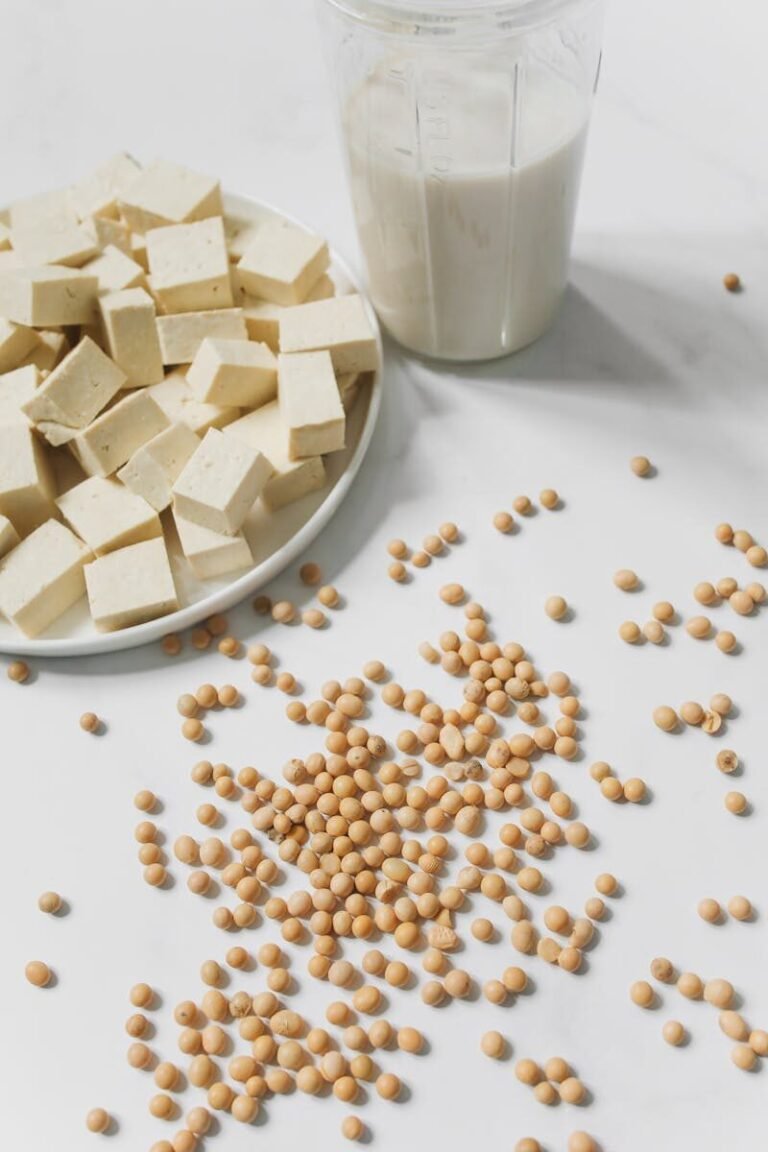
Plant-based options like tofu, legumes, or nuts
In addition, make sure you get enough fiber from vegetables, whole grains, and legumes. This helps you stay full for longer and can prevent cravings more effectively.
5. Setting Unrealistic Expectations
Many diets promise quick results, such as “Lose 5 kilos in one week!” But expectations like these are completely unrealistic. If you start with very high hopes and do not see visible results immediately, it can become frustrating and may cause you to give up.
But remember: one kilogram of body fat equals roughly a calorie deficit of 7,000 calories. So how are you supposed to save 35,000 calories in one week?
It is only logical that rapid weight loss is mostly water or sometimes even muscle mass.
Often, another factor comes into play: self-doubt. If you do not truly believe that you can change something, it becomes much harder to stay consistent.
Why are unrealistic expectations dangerous?
A large amount of weight loss in a short time is often mainly water loss.
Quick results are rarely sustainable and often lead to the yo-yo effect.
Disappointment about slow progress often causes people to quit their diet.
How to avoid this mistake:
Set realistic and long-term goals. A healthy rate of weight loss is around 0.5 kg per week. Sometimes it goes faster, sometimes slower, and that is completely normal.
Try not to focus too much on the number on the scale. Your weight naturally fluctuates, for example due to water balance, digestion, or your menstrual cycle.
Instead, also focus on other changes, such as having more energy, feeling better in your body, gaining strength, or feeling more stable in everyday life.
6. Underestimating Emotions and Stress
Many people believe that eating is only about hunger. In reality, however, emotions strongly influence our eating behavior.
From my experience with clients, I often see that eating does not only happen because of physical hunger, but also because of stress, overwhelm, boredom, frustration, or emotional exhaustion.
Especially after long or stressful days, many people find it difficult to make conscious decisions. Often, we automatically reach for snacks, sweets, or quick meals, even though we may not actually feel strong physical hunger.
That is why it can be helpful to pause and consciously ask yourself:
Am I really hungry right now?
Or am I stressed, exhausted, or emotionally overwhelmed?
What do I actually need in this moment?
Of course, this does not mean emotional eating is forbidden. Food can also be enjoyment, comfort, or joy. It only becomes problematic when food becomes the only coping strategy for stress or emotions over time.
How to do it better:
Try to become more aware of your stress and emotions.
Notice the situations in which you most often reach for snacks.
Pay attention to regular meals, enough sleep, and recovery.
Look for additional strategies that can help you reduce stress, such as movement, walks, journaling, or quiet breaks.
Long-term change does not only come from nutrition, but also from learning to deal with stress and your own needs in a healthier way.
Focus on Long-Term Change Instead of Short-Term Diets
Many diets fail because they are too extreme or do not offer a sustainable solution. If you want long-term success, focus on a balanced diet with a moderate calorie deficit.
Do not give up your favorite foods completely. Instead, enjoy them consciously and in moderation. And most importantly: be patient with yourself. Healthy weight loss takes time, but it is a worthwhile investment in your well-being.
Long-term change does not come from perfection. It comes from habits that truly fit into your life.