
Procrastination: Why You Keep Putting Things Off and How to Overcome It
Do you know that feeling when you know exactly what you should be doing… but you just don’t do it?
Instead, you keep postponing your tasks and distract yourself with something else.
It feels like something inside you is holding you back.
Maybe you even have time right now. You could start. But instead, you clean your apartment, bake Banana bread or reorganise your wardrobe.
Even though you know what actually matters.
I know this feeling very well.
But I have to say: I’ve learned to handle it much better, mainly because I started to observe my behaviour consciously.
I began to recognise my patterns.
I understood what triggers my procrastination and what actually helps me move forward.
For example, I noticed:
Whenever I feel overwhelmed by everything I have to do, I start procrastinating.
Or after long phases of constant work, when I haven’t allowed myself a real break.
And sometimes, it simply happens after a long day when I’m just tired and want to lie on the couch.
The first step suddenly feels too big.
And even thinking about my to-do list drains my energy.
So instead… I do something else.
I clean. I organise. Or I just do nothing.
Why? Because it gives me the feeling that I’ve done something. Something visible.
And most importantly: it’s easy. It doesn’t require much thinking or effort.
What I’ve learned is this:
Procrastination is not a character flaw. It’s human.
It’s not about laziness.
It’s about inner resistance.
And the good news is:
you can learn to deal with it differently.
Why Do We Procrastinate?
The reasons behind procrastination are often personal. But many of them are surprisingly common.
For me, it’s mostly these:
- Overwhelm: When there’s too much to do, I don’t know where to start. So I delay everything. Especially the important things.
- Perfectionism: The desire to do things perfectly can stop you from starting at all.
- Exhaustion: After a long day, you simply don’t have the energy. And that’s okay. But if you ignore that for too long, procrastination becomes a pattern.
- Distraction: Your phone, social media, household tasks. There is always something that feels easier in the moment.
You Are Not a Procrastinator
“You are not a procrastinator. You just have the habit of procrastinating.”
This shift is important.
There’s a big difference between saying
“I’m just like this”
and asking
“What can I change?”
You can learn to deal with resistance.
You can learn to take action, even when you don’t feel like it.
It’s not about being hard on yourself.
But some things simply need to be done.
And that’s why it helps to have small strategies that make starting easier.

9 Strategies to Overcome Procrastination
Here are methods that really help me. Maybe some of them will help you too.
1. Let Go of Perfectionism
I delayed launching this blog for a long time because I wanted everything to be perfect.
At some point, I told myself:
“It doesn’t have to be perfect. I just need to start.”
That changed everything.
Starting imperfectly is always better than not starting at all.
2. The 5-Minute Rule
When something feels overwhelming, I tell myself:
“Just five minutes.”
That’s it.
Most of the time, I keep going anyway.
But even if I don’t, five minutes is still better than nothing.
3. Use the Pomodoro Technique
Work for 25 minutes. Then take a 5-minute break.
This helps you:
- stay focused
- reduce distractions
- give your brain regular breaks
And the best part?
You know a break is coming soon.
4. Break Tasks Into Smaller Steps
Big tasks feel overwhelming because they’re too vague.
Make them smaller.
Instead of:
“Do taxes”
Try:
- open folder
- sort documents
- start with one section
Clarity reduces resistance.
5. Create a Productive Environment
Your environment matters more than you think.
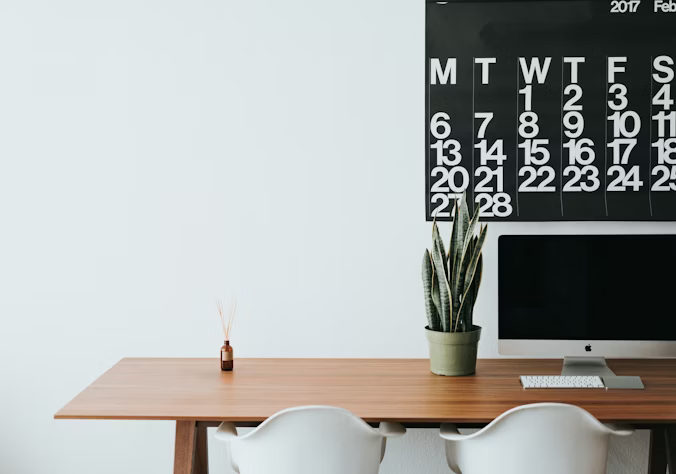
A messy space often leads to distraction.
Create a space where it’s easier to focus:
- clear your desk
- turn your phone to airplane mode
- close unnecessary tabs
Your mind will feel the difference.
6. Keep Your To-Do List Simple
Too many tasks can be demotivating.
Instead:
Focus on 3 main tasks per day.
That keeps things realistic and reduces overwhelm.
7. Reward Yourself
You don’t need to reward every small task.
But giving yourself something to look forward to helps:
- a walk
- a coffee
- your favourite show
It creates positive reinforcement.
8. The 3-2-1 Method
Sometimes even starting feels hard.
That’s when I say:
“3… 2… 1… go.”
And I start. No thinking.
It interrupts hesitation before your brain can come up with excuses.
Simple, but effective.
9. Practice Self-Compassion
Don’t be too hard on yourself.
Procrastination is human.
You are not a machine.
You don’t have to perform perfectly every day.
Be patient with yourself.
Progress happens step by step.
Small Steps Instead of Pressure
Procrastination is not a sign of weakness.
It’s a sign that something inside you needs attention.
You don’t need a perfect plan.
You don’t need constant motivation.
What you need is one small step.
So take a deep breath.
Count down:
3… 2… 1…
And just start.
You’ve got this. I believe in you.